Karl the Fog in San Francisco Bay

“All that is sunny does not glitter, not all those in the fog are lost.” –Karl the Fog

Today, I went to the San Francisco Bay with a view of the Golden Gate Bridge.

Karl the fog is an advection fog. This means that it is formed by wind moving moist air over a cold surface. In this case, the wind blowing inland moves moist air from the Pacific Ocean over the cool bay. As sunlight penetrates the fog and heats up the ground, the ground gives, or conducts, some of its heat to the cool air, heating the air up. As the fog moves inland, the air warms and the fog lifts above the surface as the warmer, less dense air parcel rises above other cooler and denser masses of air. Eventually, the air becomes warmed enough to totally evaporate the fog.

This is why in the morning, the fog forms just above the surface of the cool bay waters but, as the day progresses, the fog rises up and eventually dissipates.

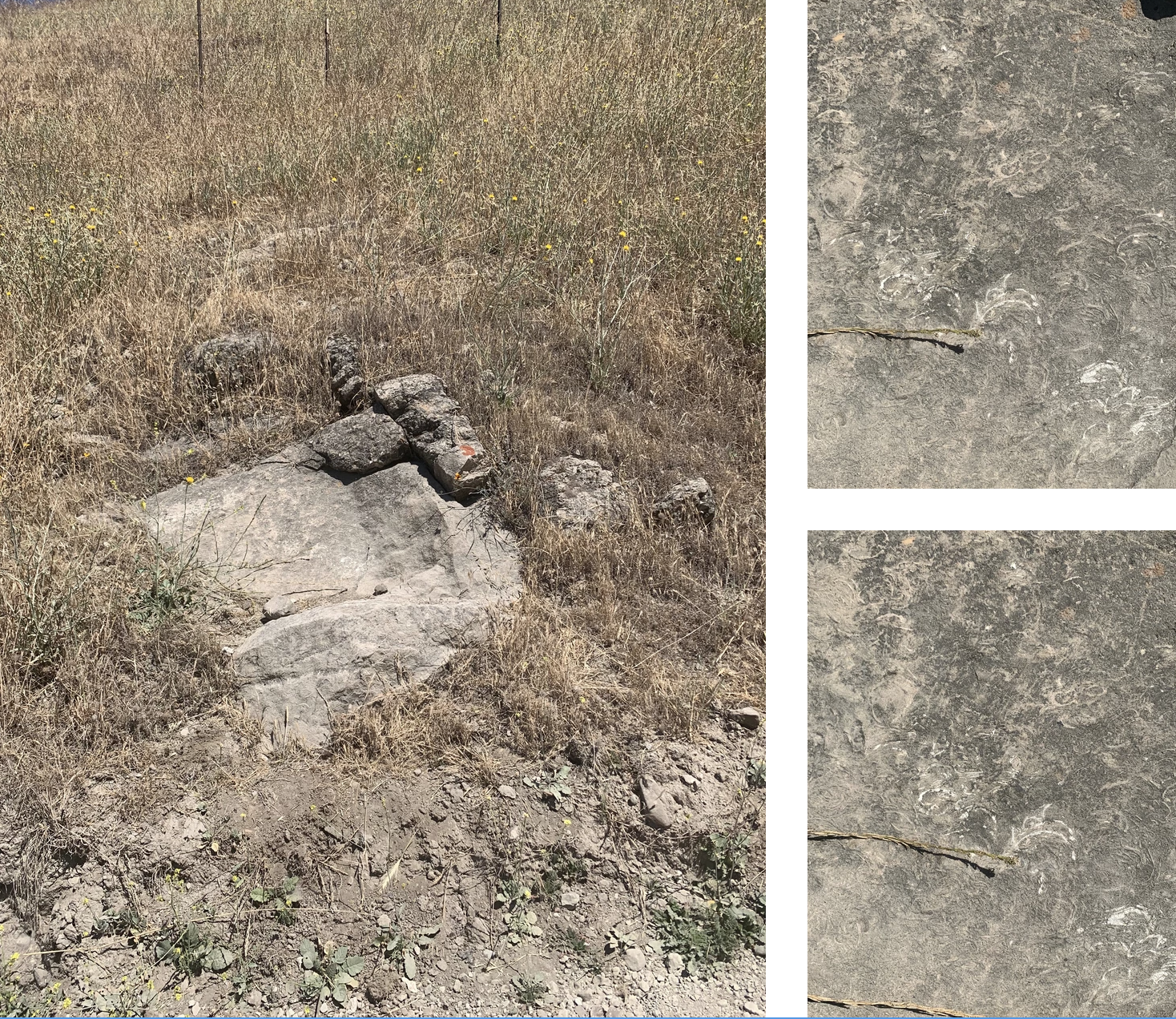
Mission Peak

This image shows evidence of a type of physical weathering using water called freeze-thaw weathering. As the water in the cracks freezes and expands in cold weather, the crack in the rock is expanded and lengthened.
At an exposed rock, we can observe fossils of the shells of ancient shallow marine organisms embedded in a sedimentary rock. The existence of shells show that this rock on the side of Mission Peak used to be submerged underwater in a shallow marine environment. Since the shells are made up of calcite, which will dissolve in deep marine environments, these organisms must have been buried by sediments close to shore.
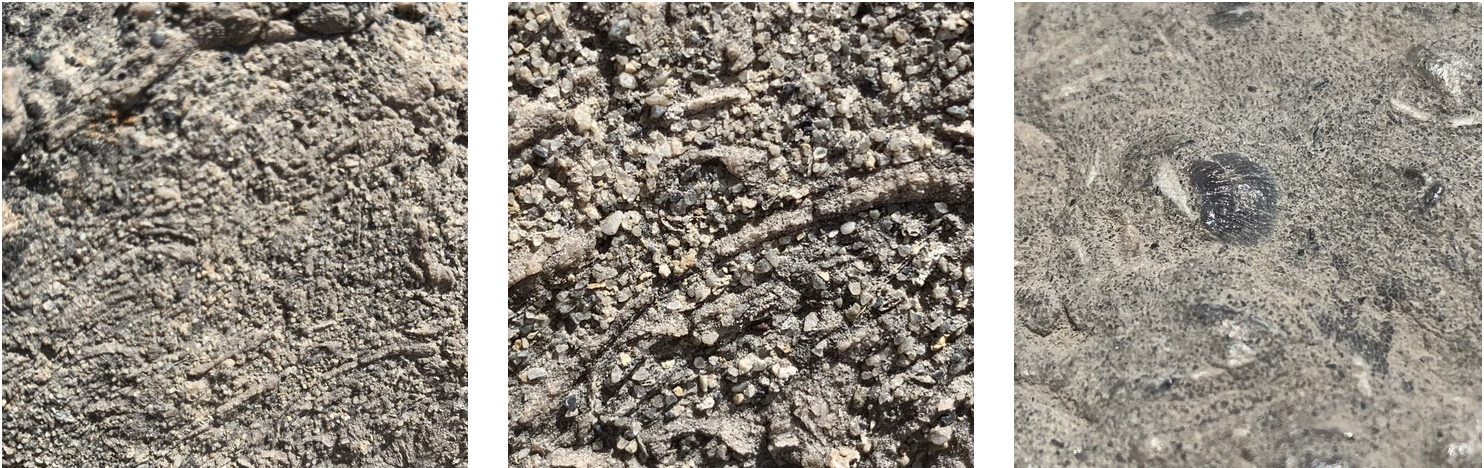
These images are examples of fossils buried in sandstone. We are able to see the texture and components of the sandstone as well as some of the fossils in it from these images.

How Do I Know?:

The sediments of sandstone are, as the name suggests, sand-sized particles, specifically with diameter of 1/16 of a millimeter to 2 millimeters. Therefore, we are able to see the grains will our unaided eyes. In addition, if we look closer, we can see that there are transparent sediments, or silicates, in the sandstone. Finally, if we rub the surface of the sandstone hard, we may be able to feel some of the removed sand-sized sediments if we rub our fingers together.

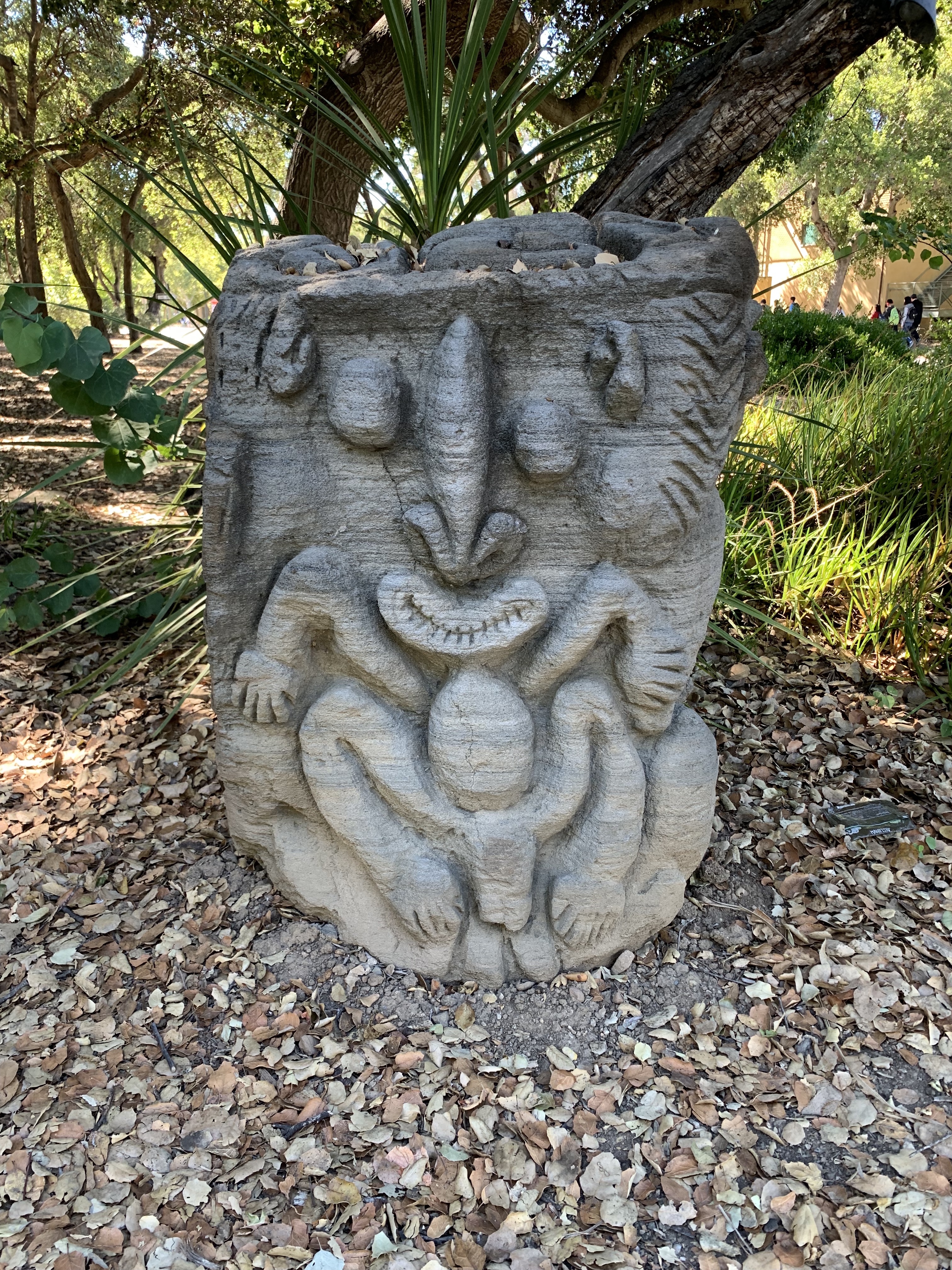
Stanford Papua New Guinea Sculpture Garden

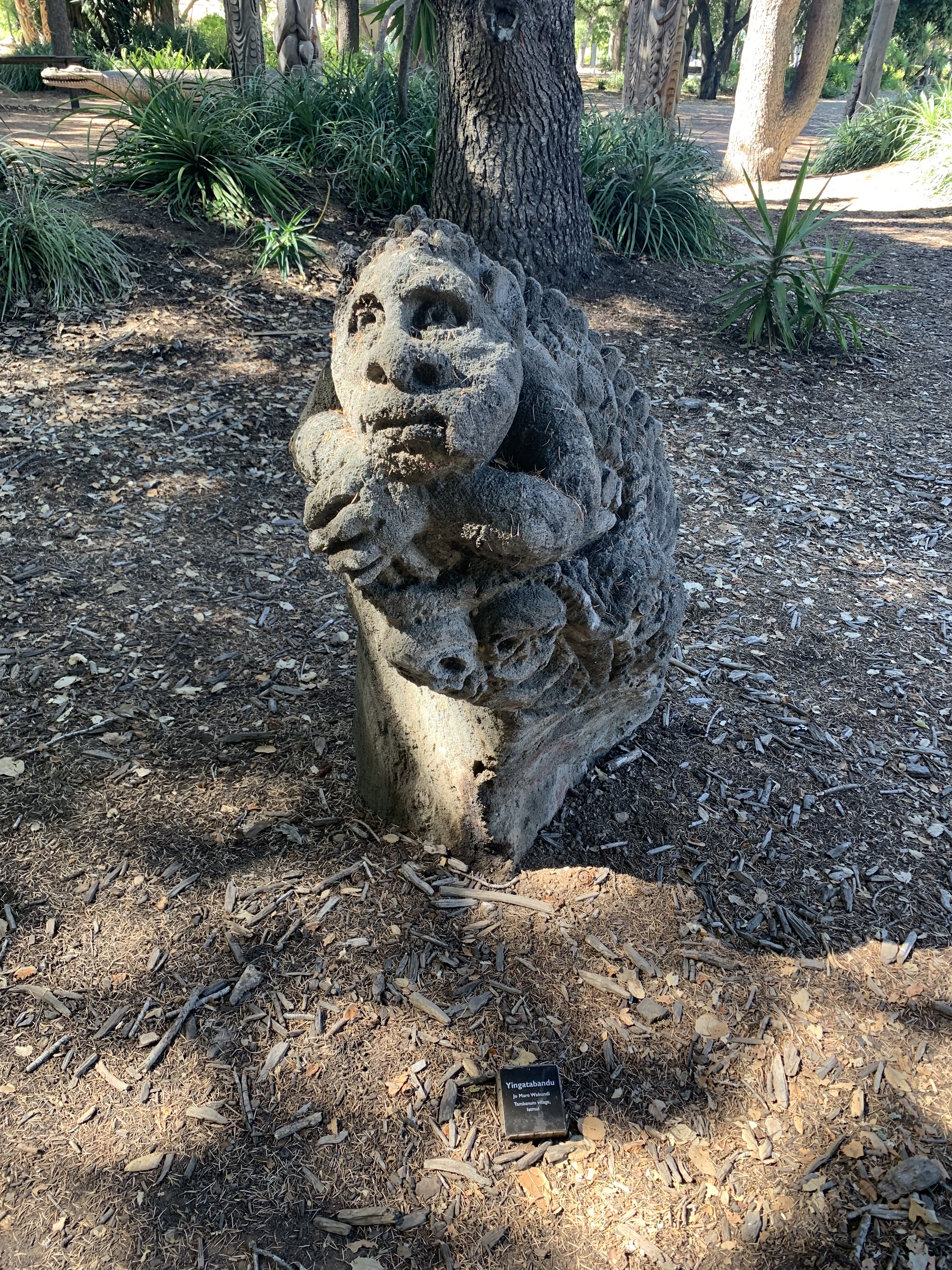
This sculpture represents an evil water spirit, Yingatabandu, and is sculpted by artist Jo Wakund.

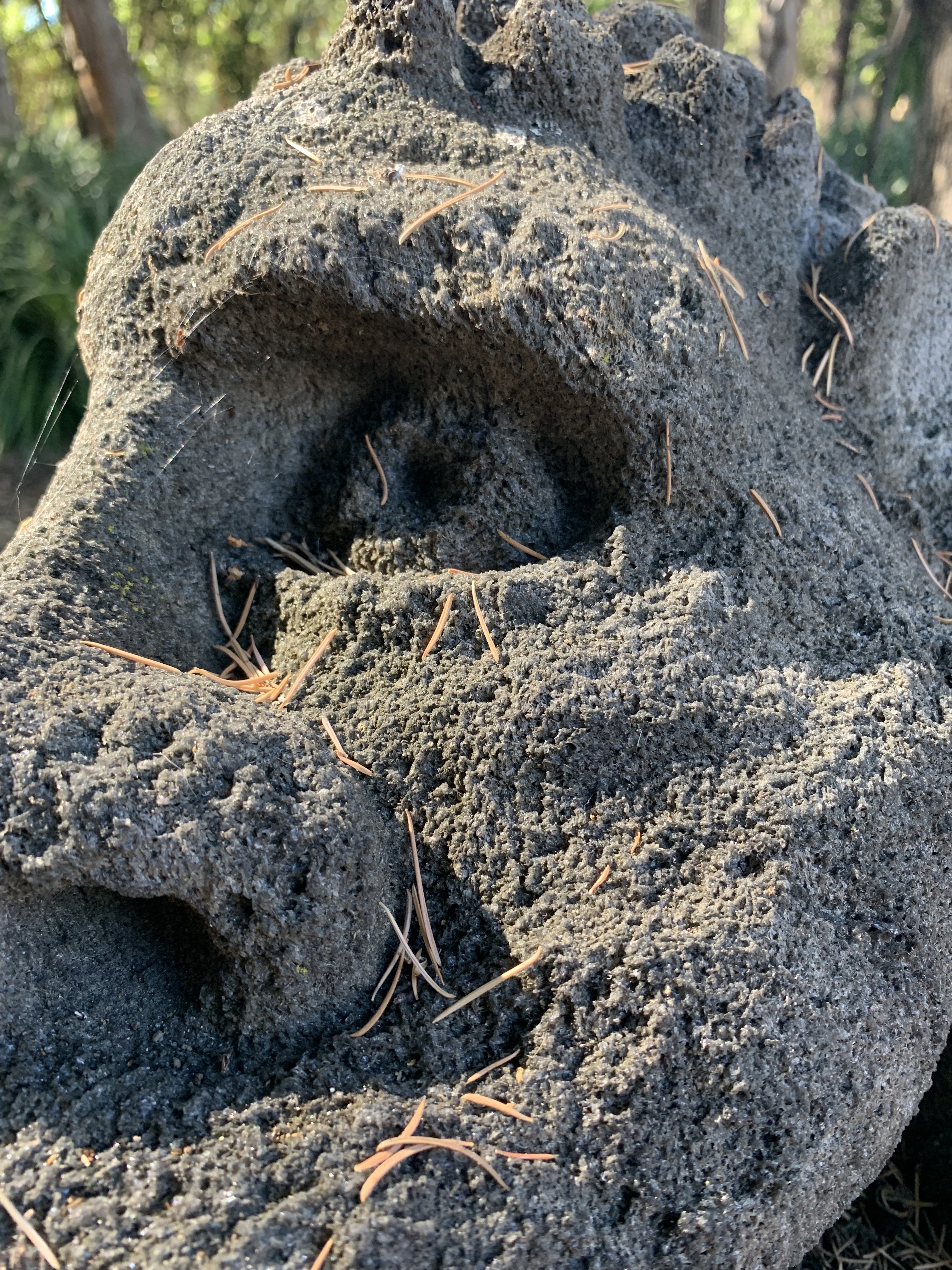
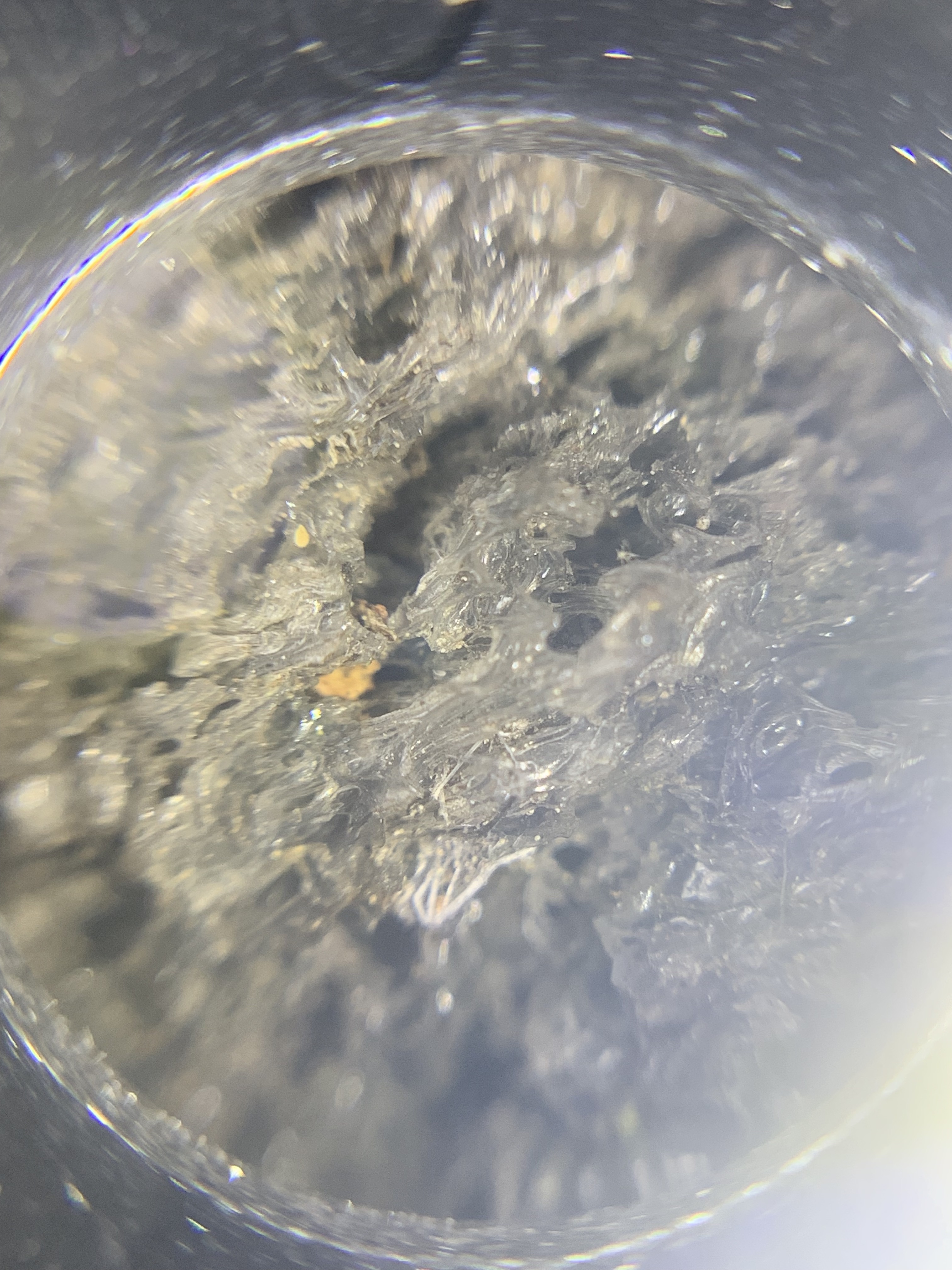
Material: PumiceLocation: Mono Lake on the California/Nevada BorderHow Do I Know?: The rock is relatively light colored and is filled with small vesicles (spaces created by gas bubbles). It is much less dense than the other rocks.Formation: As felsic, silica-rich magma rises to the surface, becoming lava, and the pressure exerted onto the magma by the weight of the earth around it is suddenly released, the gases, mostly carbon dioxide, that were kept in their liquid form in the magma suddenly evaporates into gas. As the gas bubbles through the cooling lava at the surface, vesicles are formed.

About Me

Welcome to my Earth Science blog!

I am a high school student living in the Bay Area, and I’ve been interested in Earth Science and Environmental Science ever since I started collecting rocks as a child. After developing my passion and expertise in this area over the years, I’ve finally decided to start my own blog to explain various natural features that we can see in our daily lives that we can explain with Earth Science. Yes. We are in fact examining the Bay Area one rock at a time.

If you have any questions, please do not hesitate to contact me through bayareageology@gmail.com. You can also contact me if you are interested in contributing to my blogs even if you are just a beginner in Earth Science or have never been to Bay Area. I would also love to get feedback from you in terms of how to improve my site.

Thank you for deciding to join me on my quest to find out more about the geology.

Design a site like this with WordPress.com
Get started